
Directing attention to an interesting image, tweet, or detail
Directing attention to an interesting image, tweet, or detail.
The 👀 Eyes emoji represents watching closely, curiosity, noticing drama, lurking, or saying 'look at this'.
The 👀 Eyes emoji is a hugely popular digital reaction for curiosity and drama. It captures the physical act of looking closely, lurking silently in a group chat, watching gossip unfold, or drawing immediate attention to an interesting photo or secret announcement.
The 👀 Eyes emoji represents watching closely, curiosity, noticing drama, lurking, or saying 'look at this'.
Common conversational contexts and messaging situations.
Directing attention to an interesting image, tweet, or detail.
Lurking in a chat when spicy gossip or drama begins.
Teasing an upcoming secret project or release.
Realistic message examples demonstrating natural placement for 👀.
“Did you see what they just posted? 👀”
“Big announcement coming tomorrow morning 👀”
“Just sitting back and watching this comment section 👀”
Compare close alternatives and choose the expression that best fits your message.
Search terms, common aliases, and lookup keywords.
Eyes
Subcategory: Body PartsCopy Unicode, HTML, JavaScript, CSS, and programming escape values.
U+1F440U+1F4400xF0 0x9F 0x91 0x80\uD83D\uDC40👀👀\u{1F440}\1F440 \U0001F440Related skin tone, gender, or composition variations.
Explore other emojis frequently used alongside 👀.
Compare licensed artwork side by side, then choose a style to use in Preview & Download.

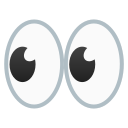


Unicode defines the emoji character or sequence, while each artwork set decides how it is drawn. That is why the same emoji can look different between devices, apps, and design systems.
Helpful tools for discovering, formatting, and converting emojis.
Frequently asked questions about meaning, copying, PNG export, and Unicode data.
The 👀 Eyes emoji represents watching closely, curiosity, noticing drama, lurking, or saying 'look at this'.
Yes. When licensed artwork is available, choose a style and download 1× (128×128), 2× (256×256), 4× (512×512), or 8× (1024×1024) PNG artwork. EmojiMint shows the selected provider, background, and exact pixel dimensions before download.
Yes. The surrounding words, relationship, and platform can change how 👀 is read, so add text when the intent matters.
The Unicode code point for 👀 is U+1F440.
👀 is usually the more general choice. 👁️ Eye is different because single realistic eye representing surveillance or vision.
Use the copy button on this page to copy 👀, or select the emoji character directly and copy it from your browser.